
An interactive boardgame designed to help children with Autism Spectrum Disorder improve their eating behaviour.
Children with Autism Spectrum Disorder (ASD) often experience appetite inhibition, tactile sensitivity and have an atypical response to taste. This leads to difficulty with eating foods, especially vegetables. If this is not changed in childhood diets will stay unchanged into adulthood and they do not receive the necessary nutrients. Mealtimes also cause stressful situations for parents. To combat this problem, gamification, playification and technology are used to design a product that can help change this behaviour with the help of known behaviour change interventions. The Creative Technology Design process was used to design such a product: ideation, specification, realisation and evaluation.

The Board
The elements of the board game consist of the placemat, segmented coloured plate and phone with animations.
The coloured sections on the plate correspond to the coloured section on the board. When the child lands on a coloured section of the board game, they must eat a teaspoon from the corresponding colour of the plate. If this is successful, the child may watch a small animation. The background of the placemat was later simplified to improve the interaction with the child.


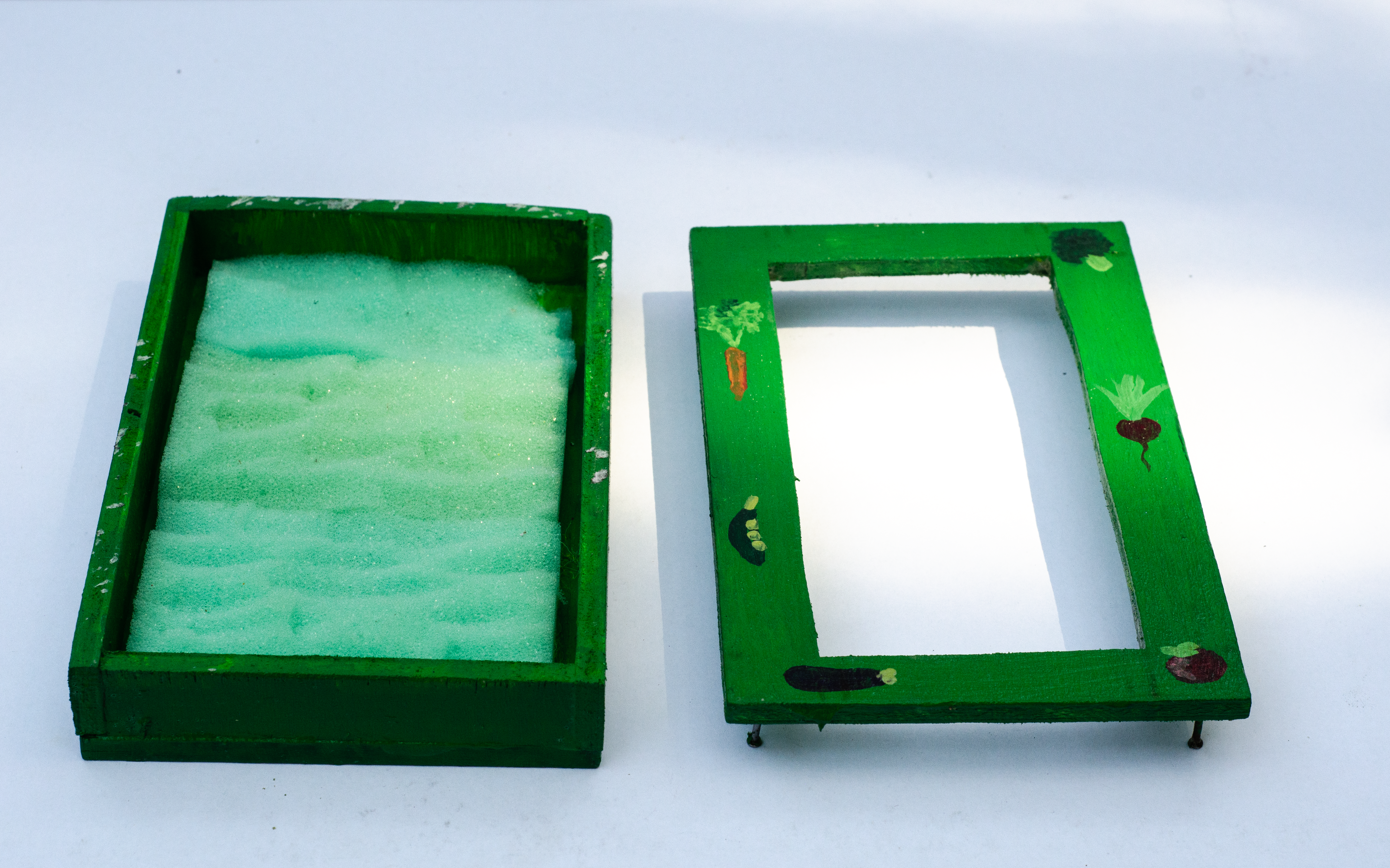
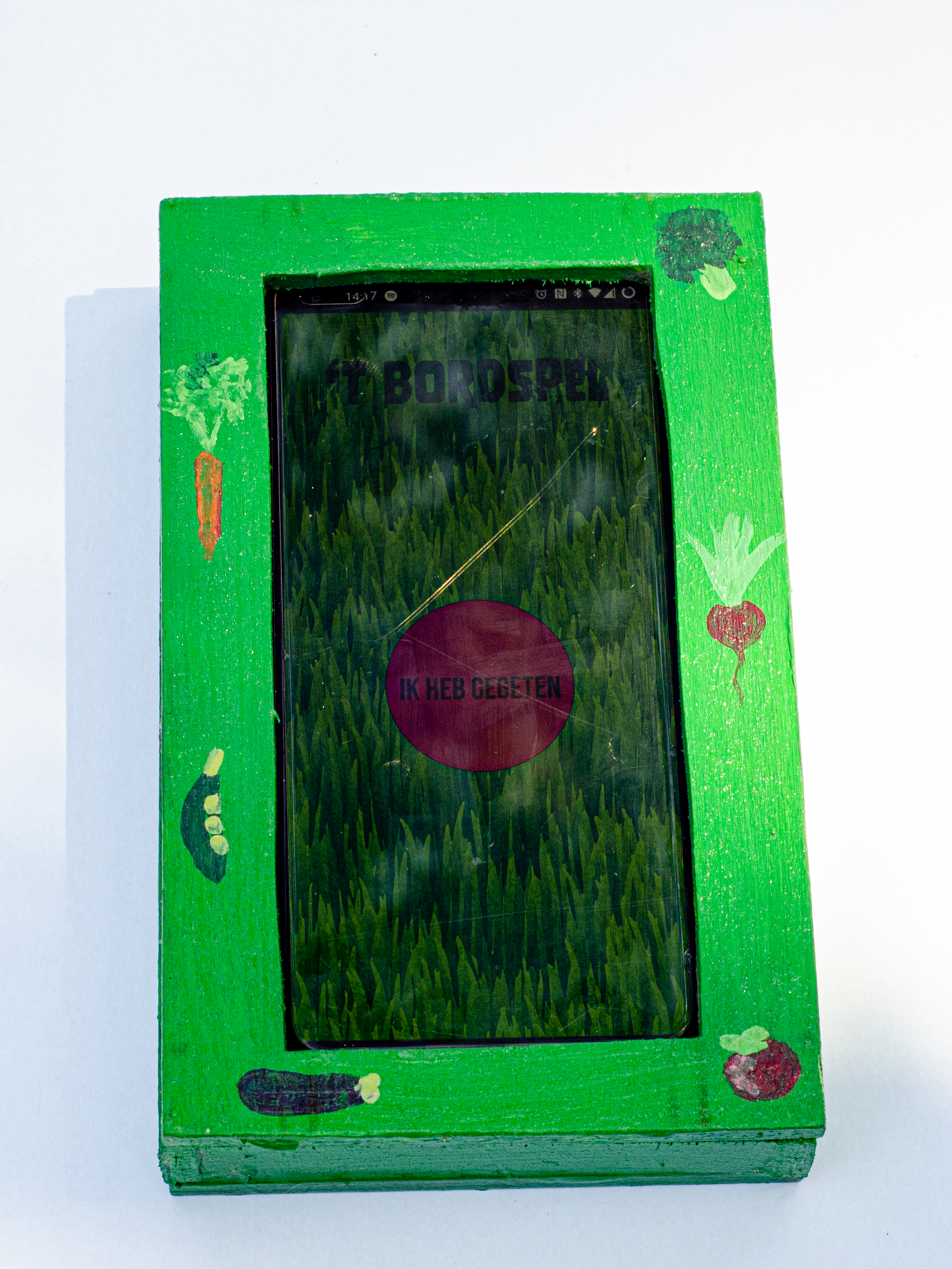
Animation
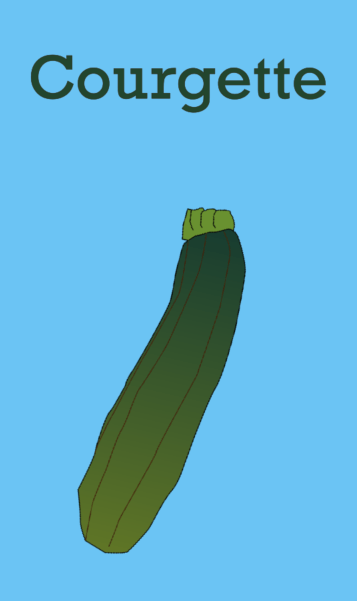
The animation is used as a motivator to eat. The animations show the growth of vegetables as well as mini-games. Exposure to new vegetables can also be seen as a learning method.
The product presents a possibility to implement gamification, playification and technology to change the eating behaviour of children with ASD.






 Elsi Muller